Benefits of Nursery for Child Development: The Science Behind Early Learning
Benefits of Nursery for Child Development: The Science Behind Early Learning
Stanford Nursery Team
Choosing whether to enrol your child in nursery is one of the biggest decisions parents make during the early years. Many wonder whether nursery is truly necessary or whether staying at home provides the same opportunities for growth and development.
Choosing whether to enrol your child in nursery is one of the biggest decisions parents make during the early years. Many wonder whether nursery is truly necessary or whether staying at home provides the same opportunities for growth and development.
Research in early childhood education consistently shows that a high-quality nursery environment can play an important role in supporting children's cognitive, emotional, social, and physical development. The early years are a period of rapid brain development, during which children build the foundations for future learning, communication, confidence, and relationships.
However, the benefits of nursery are not simply about preparing children for school. A well-designed nursery programme encourages curiosity, independence, creativity, and problem-solving through age-appropriate activities and play-based learning.
Of course, every child is unique, and every family's circumstances are different. What matters most is providing children with a nurturing environment where they feel safe, supported, and encouraged to learn.
In this guide, we'll explore the science behind nursery education and the seven key ways a quality nursery can support your child's development.
Does Your Child Really Need Nursery?
There is no single answer that applies to every family. Some children spend their early years primarily at home, while others attend nursery from a young age.
What research suggests, however, is that children benefit from environments that provide:
Rich language experiences.
Opportunities for social interaction.
Structured daily routines.
Play-based learning.
Caring relationships with trusted adults.
Activities that encourage exploration and creativity.
A quality nursery offers many of these experiences in a carefully planned environment designed specifically for early childhood development.
Rather than replacing the role of parents, nursery works alongside families to support children's growth during these important early years.
The 7 Key Benefits of Attending Nursery
1- Social Skills Development
One of the greatest advantages of attending nursery is the opportunity to interact with other children every day.
While family relationships remain the most important influence during early childhood, regular interaction with peers helps children develop essential social skills that will benefit them throughout life.
At nursery, children gradually learn how to:
Share toys and resources.
Take turns.
Work together during activities.
Build friendships.
Solve simple disagreements.
Respect others' feelings.
These daily interactions help children develop emotional intelligence—the ability to understand both their own emotions and those of others.
As children become more comfortable in group settings, they often grow in confidence and become more willing to participate in new experiences.
2- Language & Communication Growth
Young children develop language most effectively when they are surrounded by conversation, stories, songs, and meaningful interactions.
Nursery provides numerous opportunities for children to hear and use new vocabulary throughout the day.
Language-rich activities often include:
Storytelling.
Singing.
Group discussions.
Role play.
Creative play.
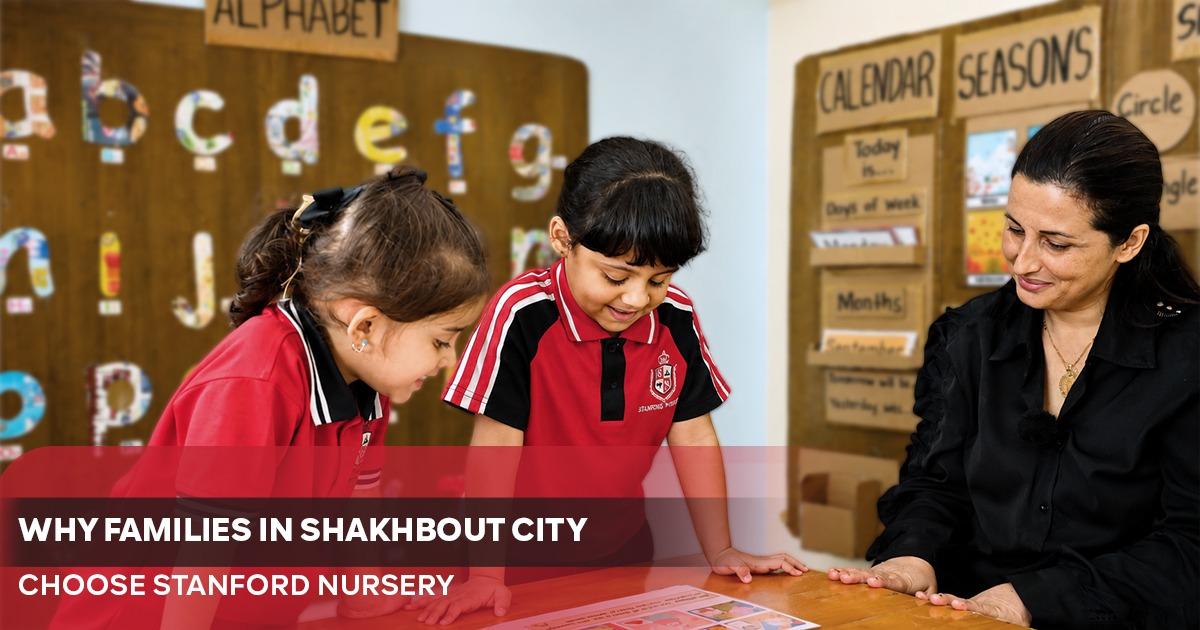
Circle time.
By interacting with teachers and classmates, children naturally expand their vocabulary, improve sentence structure, strengthen listening skills, and gain confidence expressing their thoughts.
For families living in multilingual communities such as the UAE, nursery can also provide valuable opportunities for children to develop communication skills in more than one language through natural daily exposure.
3- Independence & Confidence
Another important benefit of nursery is helping children become more independent.
At home, parents naturally assist with many everyday tasks. In nursery, however, children are encouraged to develop age-appropriate independence by completing simple activities themselves.
These may include:
Hanging up their own belongings.
Washing their hands.
Tidying toys.
Choosing activities.
Eating independently.
Making simple decisions.
Each small success helps children build self-confidence.
Rather than relying on adults for every task, they begin to believe in their own abilities, which encourages resilience and a positive attitude towards learning.
4- Early Academic Readiness
One common misconception is that nursery is primarily about teaching children to read and write as early as possible.
In reality, high-quality early childhood education focuses on developing the foundational skills children need before formal schooling begins.
These include:
Listening and attention.
Concentration.
Problem-solving.
Early numeracy concepts.
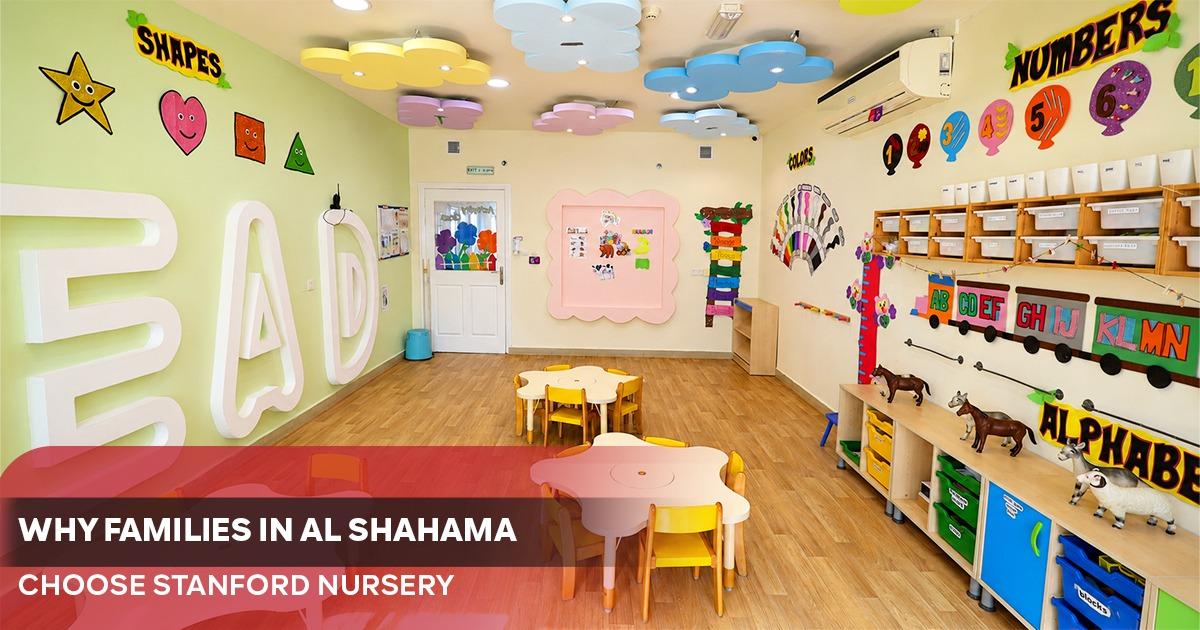
Early literacy awareness.
Fine motor coordination.
Curiosity and critical thinking.
These skills are developed naturally through carefully planned play-based activities rather than formal classroom instruction.
This approach helps children enter school with strong learning habits, confidence, and enthusiasm for discovering new ideas.
5- Creativity and Imagination
Creativity is not simply an inborn talent—it is a skill that can be nurtured through the right environment and experiences.
A quality nursery encourages children to explore, experiment, and express themselves through a wide range of engaging activities, such as:
Arts and crafts.
Music and movement.
Role play.
Construction play.
Sensory activities.
Simple science experiments.
Storytelling and imaginative play.
These experiences help children develop creative thinking, curiosity, and problem-solving skills while giving them the confidence to explore new ideas.
Creative play also supports emotional development by allowing children to express their thoughts and feelings in a safe and enjoyable way.
6- Learning Through Routine and Structure
Young children thrive when they know what to expect.
A consistent daily routine helps children feel secure, understand transitions, and develop self-regulation.
At nursery, children gradually become familiar with routines such as:
Morning welcome activities.
Group learning sessions.
Snack and mealtimes.
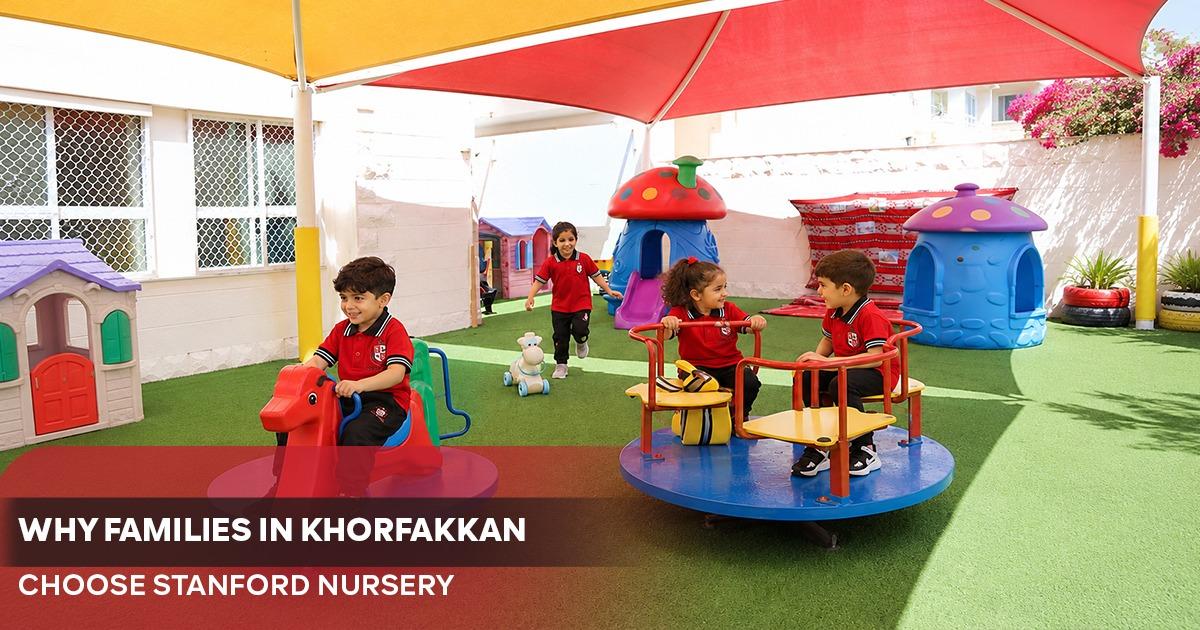
Outdoor play.
Story time.
Independent exploration.
Tidy-up routines.
These predictable patterns help children develop important life skills, including:
Following instructions.
Managing transitions.
Understanding responsibility.
Developing patience.
Building self-discipline.
Rather than restricting children, a structured environment provides the confidence they need to explore and learn independently.
7- Physical Development
Physical development is another essential part of early childhood education.
Nursery offers daily opportunities for children to strengthen both gross motor and fine motor skills through carefully planned activities.
Gross motor activities include:
Running.
Jumping.
Climbing.
Balancing.
Outdoor games.
Fine motor development is supported through activities such as:
Drawing.
Painting.
Building with blocks.
Puzzles.
Threading activities.
Using child-safe scissors.
Manipulating learning materials.
These experiences improve coordination, hand strength, and control, helping children prepare for future skills such as writing and self-care.
Emotional Wellbeing and Resilience
Nursery is about much more than learning letters and numbers.
Children also develop emotional skills that support lifelong wellbeing.
As they interact with teachers and classmates, they gradually learn how to:
Express emotions appropriately.
Recognise the feelings of others.
Build empathy.
Manage frustration.
Resolve simple conflicts.
Develop resilience.
These experiences help children become more confident in social situations and better equipped to cope with new challenges throughout their education.
Nursery vs. Staying Home: An Honest Comparison
Parents often wonder whether nursery is truly better than staying at home.
In reality, there is no universal answer.
A child who remains at home with a parent or caregiver can also thrive if they have access to meaningful play, conversation, reading, outdoor activities, and opportunities to socialise with other children.
However, a quality nursery offers additional advantages that can be difficult to recreate consistently at home, including:
Daily interaction with a larger group of children.
Qualified early years educators.
Structured learning experiences.
Age-appropriate educational resources.
Consistent routines.
A curriculum designed specifically for child development.
Rather than viewing nursery and home as competing environments, they should be seen as complementary.
The strongest outcomes often occur when parents and nursery educators work together to support the child's learning and development.
How to Maximise the Benefits for Your Child?
Parents play a vital role in helping children get the most from their nursery experience.
Here are a few practical ways to support your child's development:
Choose a nursery with qualified early years professionals.
Maintain open communication with teachers.
Encourage regular attendance whenever possible.
Talk positively about nursery at home.
Ask your child about their day and celebrate their achievements.
Continue learning through reading, play, and conversation at home.
Respect your child's individual pace of development rather than comparing them with others.
When families and educators work as partners, children receive consistent support that strengthens both learning and emotional wellbeing.
Frequently Asked Questions
At what age should a child start nursery?
There is no single "perfect" age. Many nurseries welcome children from infancy, offering age-appropriate programmes that support development at every stage. The right time depends on each child's needs and the family's circumstances.
Does nursery improve social skills?
Yes. Regular interaction with other children helps develop communication, cooperation, empathy, sharing, and friendship-building skills that are essential for later life.
Is play really an effective way to learn?
Absolutely. Research consistently shows that play-based learning supports children's cognitive, emotional, social, and physical development while keeping them motivated and engaged.
What if my child is naturally shy?
Many shy children gradually become more confident in a supportive nursery environment where experienced educators encourage participation at a pace that feels comfortable for each child.
How do I choose the right nursery?
Look for a nursery that offers:
A safe and nurturing environment.
Qualified and caring educators.
A balanced, play-based curriculum.
Strong communication with parents.
Age-appropriate learning experiences.
A welcoming atmosphere where children feel valued and supported.
Final Thoughts
A high-quality nursery is far more than a childcare setting. It provides an environment where children develop socially, emotionally, physically, and intellectually during one of the most important stages of their lives.
Through meaningful play, supportive relationships, structured routines, and carefully planned learning experiences, children build the confidence, independence, and curiosity that prepare them for future success in school and beyond.
At , we believe every child deserves the very best start in life. Our experienced educators create a safe, caring, and stimulating environment where children are encouraged to learn through play, develop meaningful relationships, and grow into confident, independent learners.
By working closely with families, we help every child build strong foundations for lifelong learning and wellbeing.


.jpg&w=3840&q=75)