How to Choose the Best Nursery for Your Child: A 10-Point Checklist
Stanford Nursery Team
Choosing the right nursery for your child is one of the most important decisions you will make as a parent. A nursery is far more than a place where children spend a few hours each day it is where they begin developing the social, emotional, cognitive, and physical skills that will shape their future learning journey.
Choosing the right nursery for your child is one of the most important decisions you will make as a parent. A nursery is far more than a place where children spend a few hours each day it is where they begin developing the social, emotional, cognitive, and physical skills that will shape their future learning journey.
The early years of a child's life are a period of extraordinary growth. During this stage, children develop their personalities, build confidence, learn to communicate, and explore the world around them. The quality of the environment they experience during these years can have a lasting impact on their development.
With so many nurseries available across Abu Dhabi and the UAE, finding the right one can feel overwhelming. How do you compare different options? What should you look for during a visit? Which questions should you ask?
This comprehensive guide provides a practical 10-point checklist to help parents confidently choose the best nursery for their child.
Prep Your Child: 7 (Discover How)
Why Choosing the Right Nursery Matters
Research consistently shows that the first five years of a child's life are the most significant for brain development. During these years, children develop language skills, emotional intelligence, social confidence, problem-solving abilities, and curiosity about the world.
A high-quality nursery provides far more than childcare. It offers a safe, stimulating environment where children can:
Build confidence and independence
Develop communication and language skills
Learn through play and exploration
Improve social interaction
Develop creativity and imagination
Prepare for school academically and emotionally
Children who attend a nurturing and well-structured early years setting often transition into primary school more confidently and with stronger foundational skills.
Choosing the right nursery is therefore an investment in your child's future.
The Complete Nursery Selection Checklist
Official Licensing and Accreditation
The first thing every parent should check is whether the nursery is officially licensed by the relevant education authority.
In Abu Dhabi, nurseries operate under the supervision of the Abu Dhabi Department of Education and Knowledge (ADEK). Licensing ensures that the nursery meets strict standards regarding:
Child safety
Educational quality
Staff qualifications
Hygiene
Learning environments
Child protection policies
An accredited nursery is regularly inspected to ensure it continues meeting these standards.
Before enrolling your child, always ask about the nursery's licensing status and educational approvals.
The Educational Curriculum: Why EYFS Matters
One of the most important factors when choosing a nursery is the curriculum.
Many leading nurseries in the UAE follow the British Early Years Foundation Stage (EYFS) framework, one of the world's most respected early childhood education systems.
Rather than relying on memorization, EYFS encourages children to learn naturally through exploration, discovery, creativity, and play.
The framework focuses on seven key learning areas:
Prime Areas
Communication and Language
Physical Development
Personal, Social and Emotional Development
Specific Areas
Literacy
Mathematics
Understanding the World
Expressive Arts and Design
This balanced approach allows children to develop academically while also strengthening creativity, confidence, emotional wellbeing, and independence.
Teacher Qualifications and Child-to-Teacher Ratios
Teachers play one of the most influential roles in a child's early years.
When visiting a nursery, ask about:
Teacher qualifications
Early childhood education experience
Ongoing professional development
First aid certification
Classroom supervision
Equally important is the child-to-teacher ratio.
Smaller class sizes allow teachers to:
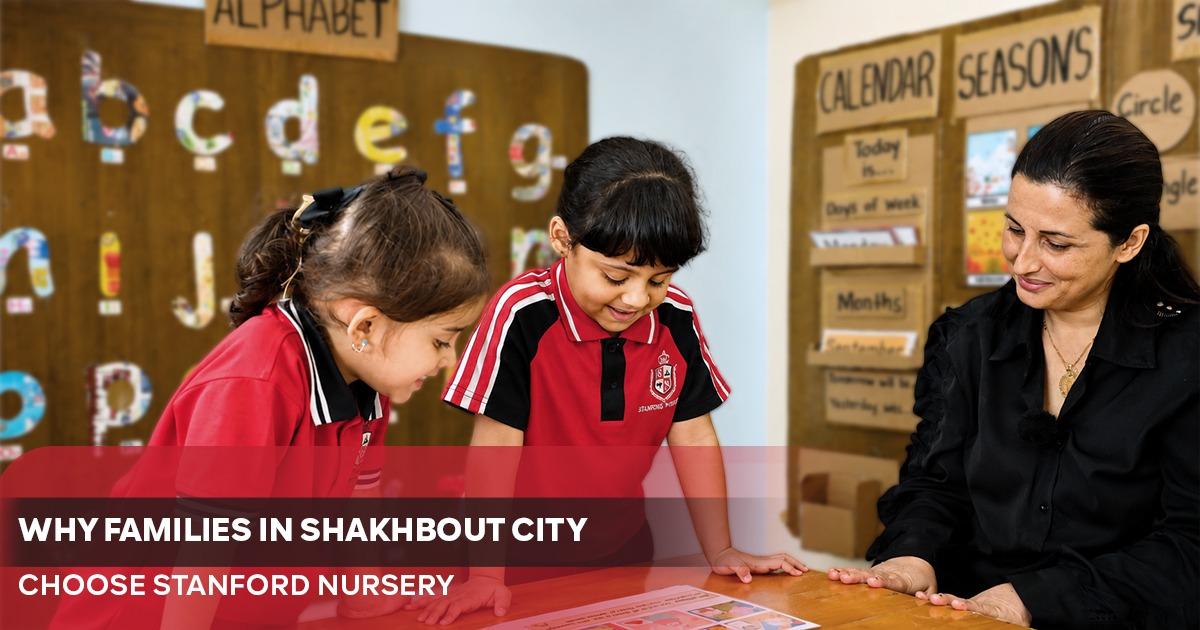
Give individual attention
Observe developmental progress
Build stronger relationships with children
Support emotional wellbeing
Identify learning needs early
Children thrive when educators have enough time to understand each child's unique personality and pace of learning.
Hygiene, Health, and Safety Standards
Parents naturally want their children to spend their day in a clean and secure environment.
During your nursery visit, observe:
Classroom cleanliness
Sanitized toys and learning materials
Safe furniture and equipment
Emergency exits
Secure entry and exit procedures
Outdoor play safety
Washroom hygiene
First aid availability
Ask about illness policies, cleaning schedules, and emergency procedures.
A nursery should prioritize children's health every single day—not only during inspections.
Nutrition and Healthy Eating
Healthy eating supports both physical development and learning.
Ask the nursery:
Are meals freshly prepared?
Are menus nutritionally balanced?
How are food allergies managed?
Can dietary requirements be accommodated?
Are healthy eating habits encouraged?
Good nurseries use mealtimes as opportunities to teach independence, manners, and healthy lifestyle choices.
Learning Through Play
Children learn best when they enjoy what they are doing.
A quality nursery should provide daily opportunities for:
Creative arts
Sensory play
Music and movement
Storytelling
STEM exploration
Outdoor activities
Role play
Problem-solving games
These activities develop communication, motor skills, creativity, teamwork, and confidence while making learning enjoyable.
Rather than focusing solely on academics, the best nurseries create an environment where children naturally become curious learners.
Communication with Parents
Strong partnerships between parents and teachers help children succeed.
Ask how the nursery communicates with families.
Examples include:
Daily updates
Learning reports
Parent meetings
Progress assessments
Photos and activity summaries
Communication apps
Regular communication keeps parents involved in their child's learning journey and helps ensure consistency between home and nursery.
Facilities and Learning Environment
The physical environment significantly influences children's wellbeing.
During your visit, look for:
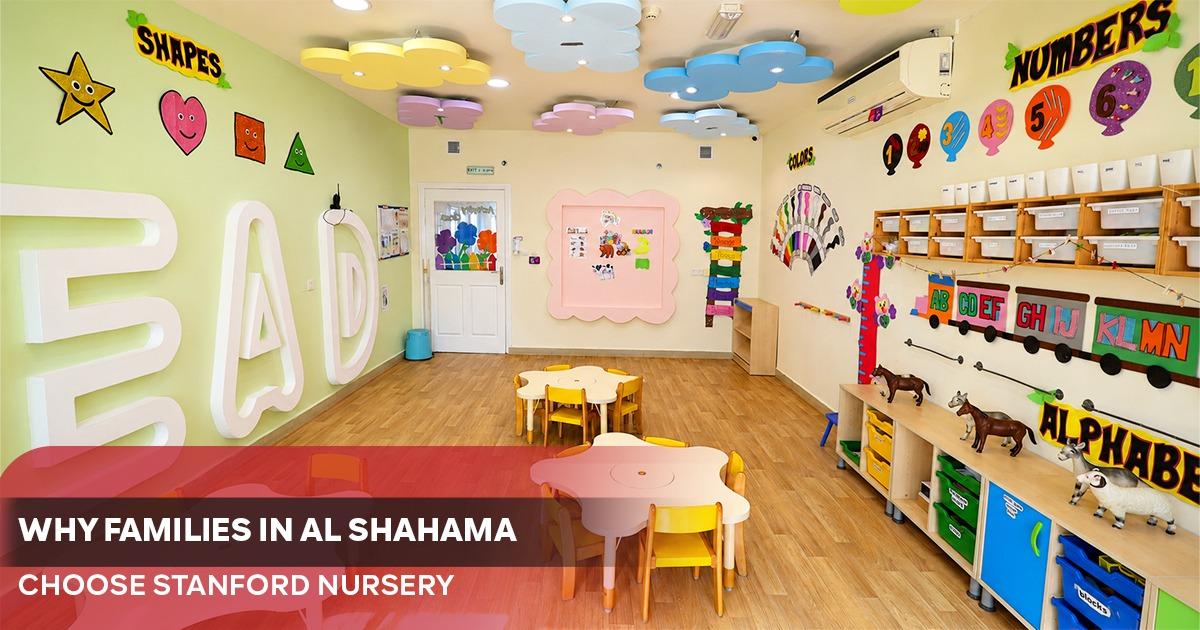
Bright classrooms
Age-appropriate learning resources
Reading corners
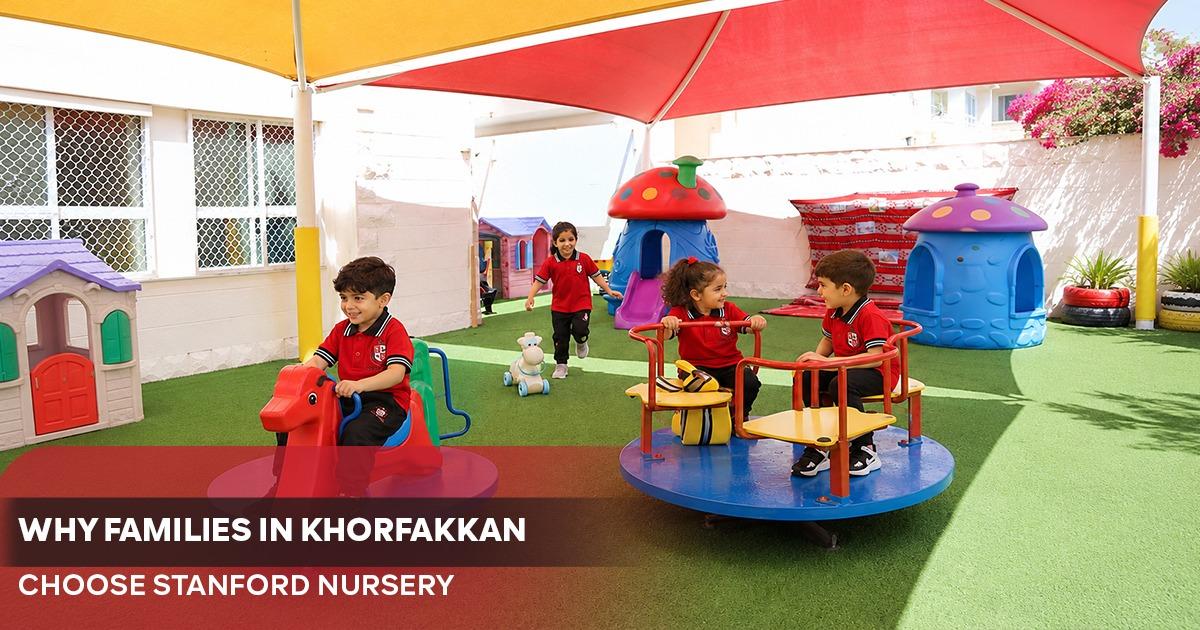
Outdoor play areas
Safe playground equipment
Creative learning spaces
STEM resources
Calm and welcoming atmosphere
Children should feel excited to enter the nursery each morning.
Location and Opening Hours
Practical considerations are also important.
Think about:
Distance from home
Distance from work
Drop-off and pick-up convenience
Parking availability
Nursery operating hours
Extended care options if needed
Choosing a conveniently located nursery can reduce daily stress for the entire family.
Fees and Overall Value
While cost is an important consideration, parents should focus on value rather than price alone.
Compare what each nursery offers in terms of:
Curriculum quality
Teacher experience
Facilities
Safety
Activities
Communication
Learning resources
The lowest fee does not always represent the best value, particularly during such an important stage of development.
Questions to Ask During Your Nursery Visit
Before making your final decision, prepare a list of questions.
Consider asking:
Which curriculum do you follow?
How do you support children's emotional wellbeing?
What is your child-to-teacher ratio?
How do you manage new children during settling-in?
How do you communicate with parents?
What happens if my child becomes ill?
How do you assess children's development?
What enrichment activities are included?
What safety procedures are in place?
How do you prepare children for school?
The answers will provide valuable insight into the nursery's philosophy and daily practices.
Red Flags to Watch For
While visiting different nurseries, be aware of warning signs such as:
Dirty classrooms
Poor hygiene
Overcrowded classrooms
Unhappy or distressed children
Unengaged teachers
Lack of structured activities
Poor communication from staff
Unsafe outdoor equipment
Limited learning materials
Unclear policies
If something feels uncomfortable during your visit, trust your instincts and continue exploring other options.
Frequently Asked Questions About Choosing a Nursery
What is the best age to start nursery?
Every child is different. Many nurseries accept children from infancy, while others begin from one or two years of age. The right time depends on your family's needs and your child's readiness.
Why is the EYFS curriculum recommended?
The British EYFS framework supports children's academic, emotional, physical, and social development through play-based learning, making it one of the world's leading early childhood education systems.
How do I know if my child has settled into nursery?
Positive signs include:
Feeling happy at drop-off
Talking about nursery at home
Making friends
Participating in activities
Becoming more confident and independent
Is play really enough for learning?
Absolutely.
Young children learn through exploration, movement, creativity, and interaction. Play-based learning develops essential lifelong skills while making education enjoyable.
Should I visit the nursery before enrolling?
Yes.
A personal visit allows you to observe classrooms, meet teachers, inspect facilities, and experience the nursery's atmosphere before making your decision.
Book a Free Tour at Stanford Nurseries
If you are looking for a nursery that combines the internationally recognised British EYFS curriculum, highly qualified educators, outstanding safety standards, engaging learning environments, and a genuine passion for early childhood education, Stanford Nurseries offers the ideal place for your child's first educational journey.
With multiple branches across Abu Dhabi and Khorfakkan, Stanford Nurseries is committed to providing every child with a safe, nurturing, and inspiring environment where they can play, learn, grow, and thrive.
From creative classroom experiences and STEM activities to outdoor learning, music, storytelling, and social development, every day is designed to build confident, happy learners prepared for future success.
Book your free nursery tour today and discover why so many families trust to give their children the strongest possible start in life.


.jpg&w=3840&q=75)