Your Child's First Day at Nursery: A Parent's Survival Guide
Your Child's First Day at Nursery: A Parent's Survival Guide
Stanford Nursery Team
Your child's first day at nursery is a milestone that brings a mixture of emotions. As a parent, you may feel proud, excited, anxious, and even a little emotional all at once. Your child, on the other hand, is about to experience a completely new world filled with unfamiliar faces, exciting activities, new routines, and opportunities to learn and grow.
Your child's first day at nursery is a milestone that brings a mixture of emotions. As a parent, you may feel proud, excited, anxious, and even a little emotional all at once. Your child, on the other hand, is about to experience a completely new world filled with unfamiliar faces, exciting activities, new routines, and opportunities to learn and grow.
It is completely normal for children and parents to experience some nervousness during this transition. Some children walk confidently into the classroom, while others may cling tightly to their parents or shed a few tears at drop off. None of these reactions mean that your child is not ready for nursery.
With the right preparation, realistic expectations, and support from experienced educators, the first day can become the beginning of a happy and successful nursery journey.
In this guide, we'll explain what to expect on your child's first day, how to prepare for the morning routine, how to say goodbye with confidence, what happens after you leave, how to manage the first week, and answer the most common questions parents ask.
What Should You Expect on Your Child's First Day?
Every child responds differently to starting nursery.
Some children are naturally curious and excited about exploring a new environment, while others need more time to adjust to unfamiliar surroundings.
On the first day, your child may:
Feel excited and curious.
Stay close to you during arrival.
Cry when it's time to say goodbye.
Observe other children before joining activities.
Feel shy when meeting teachers.
Become tired after experiencing so many new things.
All of these reactions are completely normal.
Remember that nursery teachers work with new children every year. They understand separation anxiety and have effective strategies to help children settle comfortably.
Parents should also remember that children often take emotional cues from adults. If you remain calm and confident, your child is more likely to feel safe as well.
First-Day Morning: Step by Step
A calm and organized morning helps create a positive start.
Wake Up Early
Allow enough time to get ready without rushing.
A relaxed morning reduces stress for both parents and children.
Enjoy a Healthy Breakfast
A nutritious breakfast gives children the energy they need for an active day of learning and play.
Choose foods your child already enjoys rather than introducing something new.
Dress Comfortably
Select comfortable clothes and suitable shoes that allow your child to move, play, climb, paint, and explore freely.
Nursery is a place for active learning, so comfort is more important than style.
Pack the Nursery Bag the Night Before
Preparing everything in advance avoids unnecessary stress during the morning.
Your nursery bag may include:
A labelled water bottle
Spare clothes
Wet wipes
Tissues
Lunch or snacks (if required)
Comfort item (if allowed)
Nappies for younger children
Any required medication
Labelling personal belongings also helps prevent items from getting mixed up.
Talk Positively About the Day
Before leaving home, remind your child about the exciting experiences waiting for them.
You could say:
"You're going to have so much fun today."
"You'll meet new friends."
"Your teacher is excited to meet you."
"I'll come back to pick you up after nursery."
Simple, reassuring messages help children feel more secure.
How to Say Goodbye Without Tears (From Either of You!)
For many families, drop-off is the most emotional part of the day.
The way parents handle goodbye can significantly affect how quickly children settle.
Keep It Short
A quick hug, a smile, and a reassuring goodbye are often the best approach.
Long emotional farewells can increase anxiety.
Never Leave Without Saying Goodbye
Some parents think quietly slipping away will make separation easier.
In reality, this can damage trust because children may become frightened when they suddenly realize their parent has disappeared.
Always let your child know you're leaving and reassure them that you'll return.
Don't Return After Saying Goodbye
If you return every time your child cries, they may begin believing that crying brings you back.
Trust the nursery staff to comfort and support your child.
Stay Calm
Even if you're emotional inside, try to remain positive.
Children notice facial expressions, body language, and tone of voice.
Your confidence helps build their confidence.
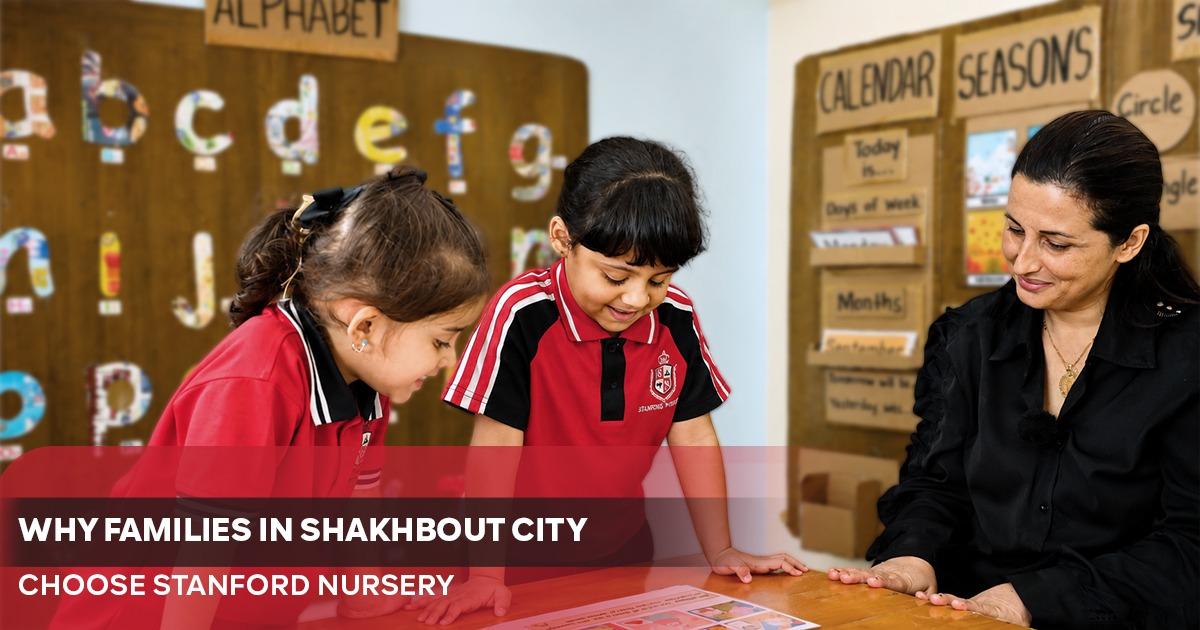
What Happens Inside the Nursery After You Leave?
Many parents imagine their child crying for hours after they leave.
Fortunately, this is rarely the case.
Experienced nursery teachers know exactly how to help children settle into their new environment.
Once parents leave, teachers usually:
Welcome the child warmly.
Introduce them to classmates.
Offer favourite toys or activities.
Encourage participation in games.
Read stories.
Engage children in creative activities.
Build trust through gentle conversation.
In many cases, children stop crying within minutes after becoming interested in an activity.
Parents are often surprised to learn that their child enjoyed the day much more than expected.
How to Handle the First Full Week
The first week is a period of adjustment.
Some days will feel easier than others.
The most important thing parents can do is remain patient and consistent.
Maintain a Routine
Children feel safer when they know what to expect.
Keep consistent times for:
Waking up
Meals
Nursery
Bedtime
Routine creates stability during periods of change.
Ask Positive Questions
Instead of asking:
"Did you cry today?"
Try asking:
"What was your favourite game?"
"Did you make a new friend?"
"What story did your teacher read?"
"What made you smile today?"
Positive questions encourage children to focus on enjoyable experiences.
Celebrate Small Successes
Every achievement matters.
Perhaps your child:
Walked into class independently.
Spoke to another child.
Joined an activity.
Smiled during drop-off.
Celebrate these moments and offer encouragement.
Expect Tiredness
Nursery introduces many new experiences.
Even children who love nursery often return home feeling tired during the first week.
Allow plenty of time for rest, cuddles, and quiet family time.
Stay Connected with Teachers
Teachers can provide valuable updates about:
Your child's mood
Eating habits
Participation
Friendships
Learning progress
Open communication helps parents and educators work together to support each child.
Frequently Asked Questions About the First Day
Is it normal for my child to cry on the first day?
Yes.
Many children cry during the first few days because they are adjusting to a new environment.
With patience and consistency, most settle quickly.
What if my child refuses to enter the classroom?
Remain calm and allow teachers to guide your child inside.
Experienced educators know how to comfort children during this transition.
How long does it take children to settle?
Every child is different.
Some settle within days, while others may need two to four weeks.
This is completely normal.
Should I stay inside the classroom?
Follow your nursery's settling-in policy.
While some nurseries encourage short introductory visits, staying too long can sometimes make separation more difficult.
What if my child comes home upset or exhausted?
This is perfectly normal.
Adjusting to a new environment requires emotional and physical energy.
Provide extra comfort, maintain routines, and be patient.
Does crying mean my child dislikes nursery?
Not at all.
Many children cry during drop-off but enjoy the rest of the day.
Teachers often report that children become engaged in activities shortly after parents leave.
A Happy First Day Can Lead to a Wonderful Nursery Journey
At Stanford Nurseries, we understand that a child's first day is a significant milestone for the entire family.
That's why we provide a carefully planned settling-in programme designed to help every child transition smoothly into nursery life.
Following the internationally recognised British Early Years Foundation Stage (EYFS) curriculum, our experienced educators create a warm, nurturing environment where children feel safe, valued, and inspired to learn through play.
From the moment children walk through our doors, they are welcomed with patience, kindness, and individual attention, allowing them to build confidence at their own pace.
We also believe that parents are partners in every child's learning journey. Through regular communication and ongoing support, we work together to ensure every child enjoys a positive and successful nursery experience.
Book a tour at your nearest branch today and discover how we help children—and parents—turn the first day of nursery into the beginning of a lifelong love of learning.


.jpg&w=3840&q=75)